Kidney stones can be like a grain of sand to a golf ball. There are a number of stones which pass naturally, with some fluid and medicines, but others have become stuck in the urinary system and require treatment. That’s why it’s crucial to learn kidney stone size for surgery. Size of the stone is the largest factor to determine treatment but doctors also consider where the stone is, the symptoms and whether it’s blocking urine flow. Understanding what to anticipate can aid you locate treatment without any complications.
Table of Contents
Kidney Stone MM Size Chart: Chances of Passing Naturally
Kidney stones are measured in millimetres. Even a slight increase in the size can make a huge difference in chances of it passing naturally.
| Stone Size | Approximate Comparison | Chance of Natural Passage | Typical Treatment |
| 1–2 mm | Grain of sand | Around 90–95% | Fluids and observation |
| 3–4 mm | Sesame seed | Around 80–90% | Medication and hydration |
| 5 mm | Peppercorn | Around 50–60% | Medical therapy or observation |
| 6 mm | Green pea | Around 30–40% | May require intervention |
| 7–8 mm | Large pea | Around 10–20% | Surgery often recommended |
| 10 mm kidney stone | Cherry | Very unlikely | Surgical removal usually required |
| Over 10 mm | Large marble | Almost impossible | Advanced surgical treatment |
This is a general guide to the kidney stone mm size chart. Some patients may spontaneously pass larger stones but if they get stuck in the ureter, even smaller stones may need some treatment.
Is Size Enough to Make Surgery Indicated for Kidney Stones?
Not always. The kidney stone size for surgery is a significant consideration, but urologists also evaluate:
- The stone’s exact location.
- If there is a blockage in urination or not
- Severity of pain
- Presence of infection
- Kidney function
- Duration of symptoms
The size of the stone doesn’t necessarily determine the pain; a 4 mm stone may cause a lot more pain in the ureter than a larger stone in the kidney.
Which Kidney Stones will Not Pass without Medical Intervention?
The stones that measure less than 5mm do not require surgery for removal and have the tendency to pass naturally via urine.
The doctor can guide you to:
- Drink at least 2.5-3 litres of water daily.
- Have medications to relieve the pain
- Ureteral relaxing agents (alpha-blockers)
- Straining of the urine to get the stone
- Follow-up scans to see what has happened to the movement.
Most of the small stones pass within a few days to 6 weeks, again depending on the individual.
What to Expect for 5mm Kidney Stones Treatment?
The overall 5mm kidney stone treatment will vary depending on whether or not the stone is moving and whether or not it is causing complications. A 5mm stone is at the edge of being able to pass naturally, or requiring intervention; therefore, it is generally monitored by doctors.
Treatment may include:
- Increased fluid intake
- Prescription medicines to help the stone pass
- Pain management
- Repeat imaging to track its progress
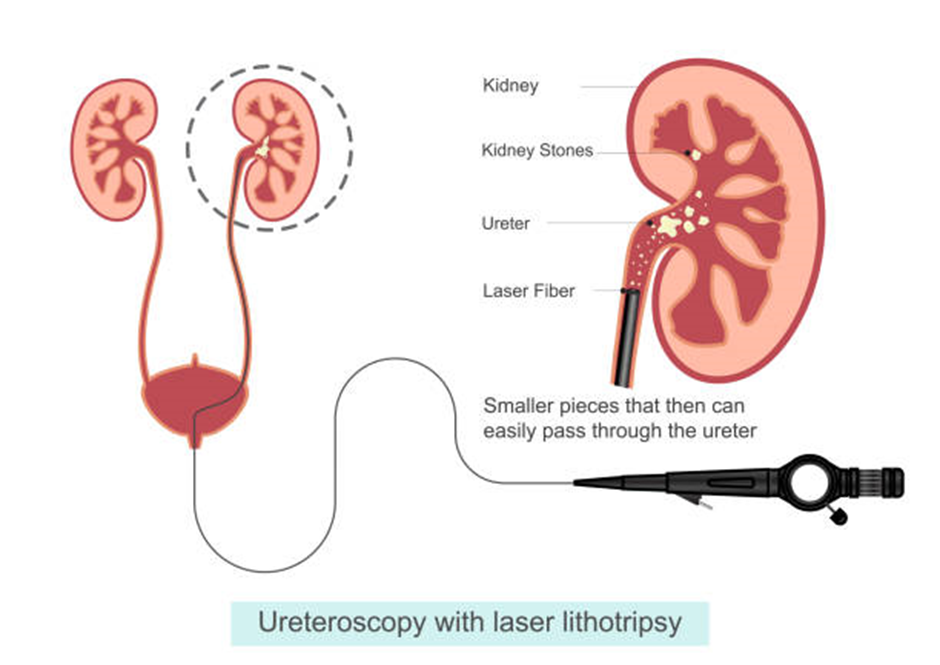
If the stone does not pass, is very painful or blocks urine flow, minimally invasive treatment is used. One of the most effective treatments includes laser kidney stone treatment which involves fragmentation of the stone into smaller pieces using a thin endoscope and laser fibre that will be small enough to either be removed or pass spontaneously. It is done without large incisions.
What Happens If You Have a 6–10 mm Kidney Stone?
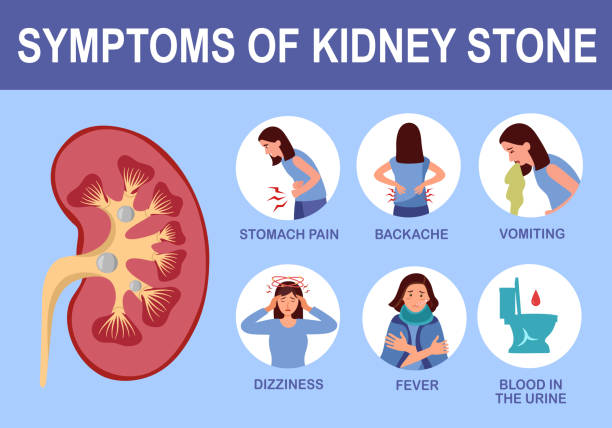
When stones get bigger than 6 mm, the likelihood of the stones passing on their own decreases significantly. Don’t assume a 10mm kidney stone will pass on its own and it can cause problems such as:
- Severe flank pain
- Blood in urine
- Difficulty passing urine
- Recurrent UTIs
- Kidney swelling (hydronephrosis)
Active treatment is usually advised rather than prolonged observation as this may result in permanent kidney damage.
At What Size does Kidney Stone Surgery Make Sense?
There is no single size that automatically requires surgery. But kidney stone size for surgery is generally considered when:
- The stone is bigger than 6-7mm in size
- Interferes with urination
- The use of medicines to control pain won’t work.
- Kidney infection develops
- There is an impact on kidney function.
- After a couple of weeks the stone doesn’t pass.
If treated early, it decreases problems and helps maintain kidney function.
What are the Variations of Surgery?
The treatment of stones in the kidney is very successful, and minimally invasive, today.
- Laser Lithotripsy
Using a thin scope, a laser is passed to fragment the stone into smaller pieces, allowing them to be removed or passed naturally. It is used for stones in the ureter and kidney.
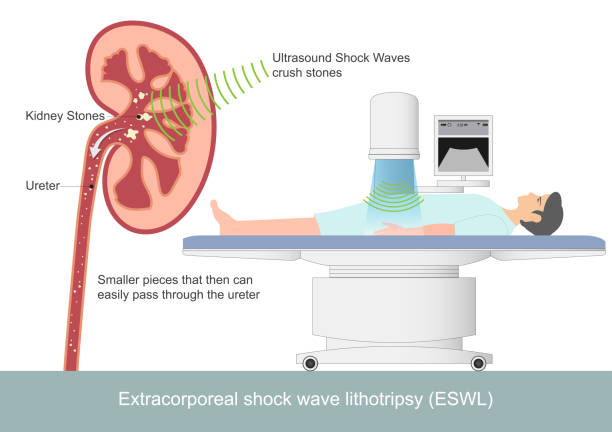
- Shock Wave Lithotripsy
Smaller kidney stones can be broken up with high-energy sound waves, so they are able to pass through urine over time.
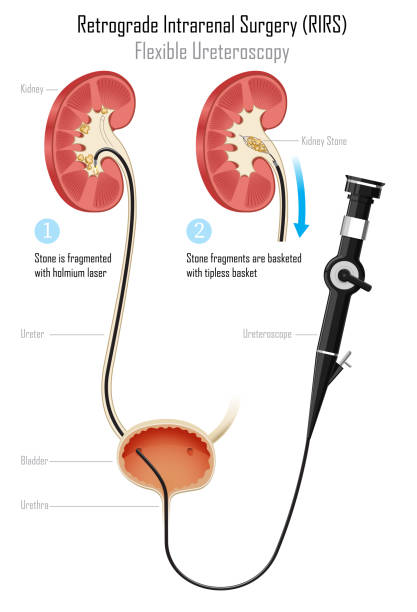
- Ureteroscopy
A small camera is inserted into the urinary tract to break up stones that are stuck in the ureter or to remove stones from the ureter.
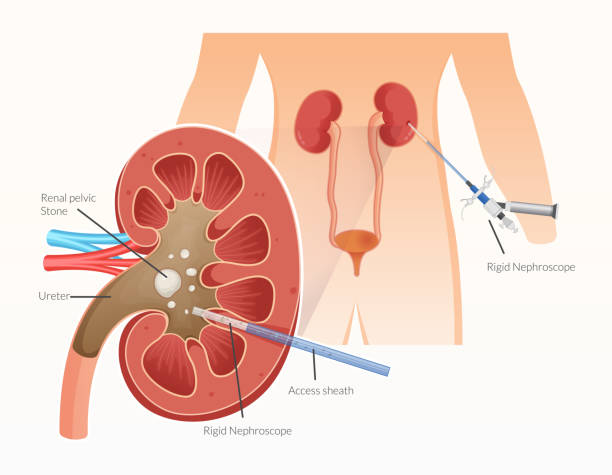
- Percutaneous Nephrolithotomy
This is performed if the kidney stone is very large or if it is very complex. This is a process of removing the stone through a small cut in the back.
The most suitable treatment can be suggested by the best urologist in Hyderabad, depending on the type, size and location of the stone.
But Can You Prevent Formation of Kidney Stones?
Certainly to a great extent. Although not every kidney stone can be prevented, still you can modify your lifestyle to be healthier, and with that, you may reduce the scopes of another kidney stone formation.
Doctors generally advise:
- The consumption of sufficient water on a daily basis
- Avoid excess salt intake
- Having a well balanced diet with sufficient calcium
- Reducing foods that contribute to your specific stone type
- Keeping your weight normal
Regular follow-up is important if a person has had kidney stones in the past as it can help find new kidney stones early.
Conclusion
Knowing the kidney stone mm size chart will help you in knowing when the stone might pass on its own and when you need medical treatment for it. Smaller stones may pass with medication and hydration, while larger stones will typically require some sort of intervention. Since kidney stone size for surgery isn’t the only deciding factor, always check with a urologist if kidney stones are causing severe symptoms or pain that won’t stop.
FAQs
Can the location of a kidney stone affect treatment?
Yes. When the stone is too small that it is blocked in the ureter, treatment may be the only way. However, if it is situated in the kidney, painless, and not a cause of obstruction or infection, it could just be watched for any change.
How long does it take to recuperate from this surgery?
Recovery will depend on the procedure as each patient is different. The minimally invasive procedure allows most people to resume their normal activities a few days after the procedure; the recovery period may be longer after larger procedures.
Can Kidney stones occur again?
They can recur if they are not properly treated. To prevent kidney stones from reappearing, have enough water or fluids, follow your doctor’s advice, and eat the right food for kidney stone prevention, and also go to the clinic regularly for check-ups.