Author: Dr. Bhargava Reddy

BPH vs prostate cancer

BPH or Prostate Cancer: What Does it Mean?

It may seem harmless to have a late night bathroom break. A weak flow or dribbling urination might just be a normal part of a person’s aging process. However, many men will be concerned about their urinary changes if they begin to happen more frequently, and ask themselves: is it an enlarged prostate or is there something more serious going on?

It is important to learn about BPH vs prostate cancer, as the two affect the prostate in very different ways. BPH is a growth of the prostate gland thatvis benign. Prostate cancer is when cells of the prostate develop unusually. Their signs, however, can overlap and it can be unreliable to self-diagnose.

What’s the Difference between BPH and Prostate Cancer?

The older one gets, the more common benign prostatic hyperplasia is. A “big” prostate may constrict the urethra and block the stream of urine. It may lead to urgency or frequent urination, weak stream, and the sensation of incomplete bladder emptying.

Prostate cancer is a different disease. It is possible for cancer cells to develop in the prostate and in some cases to spread beyond the prostate. In some cases, prostate cancer does not have any symptoms, so it’s not always a good idea to use a person’s sense of his/her body to determine whether or not they should be evaluated.

It’s crucial to keep in mind that if you are thinking about BPH vs prostate cancer, that an enlarged prostate doesn’t always indicate prostate cancer. Men may develop BPH or prostate cancer or both.

Do the Signs of BPH Indicate Prostate Cancer?

Yes, and it’s where it gets tricky.

Urinary changes that are both conditions can include:

  • Decreased or interrupted urination.
  • Difficulty starting urination
  • Frequent urination
  • Need to go to the washroom at night while sleeping 
  • Trouble emptying the bladder
  • Dribbling after urination

All of these symptoms don’t necessarily point to cancer. Lower urinary tract symptoms are the most frequent symptom of BPH owing to the fact that the enlarged prostate may block the normal passage of urine.

But if someone has blood in his urine or semen, a persistent pain in the pelvis or back or bones, these symptoms should not be overlooked. There are a number of causes for these symptoms, but they should be medically evaluated.

Does High PSA Mean You Have Cancer?

Not necessarily. Prostate cells make a protein named prostate-specific antigen. An increased PSA level can also be a result of other prostate conditions such as BPH and prostatitis, which can predispose a man towards prostate cancer. This does not imply that one PSA number should be considered a diagnosis of cancer. The doctor takes into account the PSA result in the context of age, symptoms, family history, prostate size and examination results and changes in PSA over time.

Additional testing might be repeat PSA testing, a digital rectal examination, prostate MRI, or a prostate biopsy, if the result continues to be concerning.

How Are BPH and Prostate Cancer Diagnosed?

Typically, the assessment begins with a discussion of urinary symptoms and medical history. A doctor can conduct a physical exam and digital rectal exam (DRE). However, urine tests and PSA testing might also be suggested.

If someone is suspected to have BPH, doctors might check urine flow, bladder emptying and prostate size. These results may be used in deciding the degree of involvement of the urinary system caused by the enlarged prostate.

In cases where prostate cancer is suspected, an MRI can be used to locate suspicious areas. Next, a prostate biopsy may be recommended to sample tissue for a microscopic examination to determine if cancer cells are present.

Consulting a reputed urologist in Hyderabad can be useful when urinary symptoms persist to determine if the symptoms are due to BPH, infection, prostatitis, or other prostate problem.

When Should You See a Urologist?

Don’t dismiss increased urinary problems as a part of ageing. If you are having any of these problems like persistent difficulty in urination, urinating more frequently at night, decreasing urine stream, blood in the urine or semen, unexplained pain in the back, hips or pelvis, consult with an urologist. 

If the loss of the ability to urinate suddenly occurs, seek medical care. Urinary retention can be severe, and may even affect the kidney in some cases.

BPH vs Prostate Cancer: What Should You Do?

The difference is simple: BPH is a benign enlargement whereas prostate cancer is growth of cancerous cells. However, symptoms can’t be used to reliably distinguish them.

The positive news is that appropriate assessment can rule out the cause and direct the appropriate treatment. When urinary symptoms are interfering with your life, don’t just guess from the symptoms, consult a urologist and have this condition adequately assessed.

rirs vs lithotripsy

How to choose between RIRS vs Laser Lithotripsy for the treatment of Kidney stones?

A small kidney stone can raise big questions about kidney stone treatment. Will it pass by itself? Is surgery necessary? What would be the best treatment, RIRS or laser?

Much of the confusion begins because RIRS vs laser lithotripsy sounds like a choice between two  totally different procedures. In fact they can be very closely related. The technique that is used to reach the kidney stone is called RIRS; laser lithotripsy is one technique used to break the stone.

Understanding this difference can help to make treatment decisions significantly easier.

How Does RIRS Treat Stones and What is It?

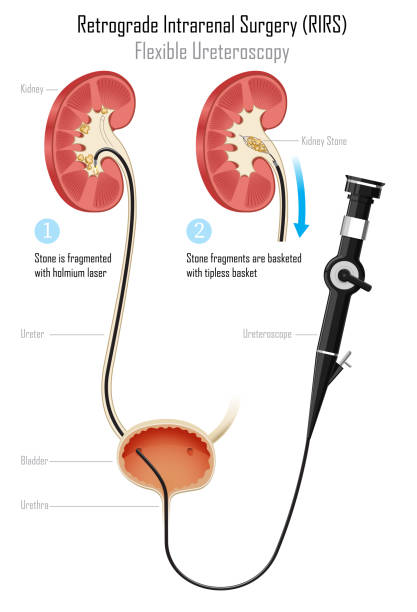
RIRS refers to Retrograde Intrarenal Surgery. A relatively non-invasive way of gaining access to stones located in the kidney or upper urinary tract. A ureteroscope is a thin, flexible instrument that is inserted into the urinary tract and into the kidney. This allows the surgeon to know where the stone is, so he or she can treat the stone without an incision.

During RIRS a laser is frequently used to reduce the stone to small fragments or fine dust. Holmium:YAG and thulium fiber lasers are now accepted as good tools for flexible ureteroscopy.

So, How Is Laser Lithotripsy Different?

Consider treatment as a journey.

The way to the stone is RIRS. Laser lithotripsy is the device that is used for breaking the stone.

Hard stone can be broken up into smaller stones with laser energy. Fragments can be extracted using a basket or be broken into very small pieces to pass naturally (depending on the stone/surgical plan).

Thus, it may be misleading to make comparisons between RIRS vs laser lithotripsy as entirely distinct treatments.

Which Kidney Stone Treatment is More Effective?

There is no one common winner.

There are many factors that need to be taken into account when it comes to the right kidney stone treatment. These include:

  • Stone size
  • Stone location
  • The type and durability of stone
  • Number of stones
  • Kidney anatomy
  • Previous treatment
  • Blockage of urine or infection of the urinary tract.
  • Overall health

RIRS with laser lithotripsy is a proven method of treatment for many renal stones less than 2 cm, which are not complicated. Other procedures (PCNL) may be required for larger or more complex stones, or sometimes staged RIRS.

When do Kidney Stone Size Call for Surgery?

While size is important, it’s not everything. Sometimes, a little stone in the wrong location may be difficult to treat as compared to a big stone in the right place in the kidney. The hardness of the stones also is important, as harder stones may not react in the same manner to treatment.

When looking for kidney stone size for surgery, keep in mind that not all patients will require surgery when the stones reach a certain size. An evaluation with a CT scan and the urologist decides if observation, medications, shock wave therapy, RIRS or another procedure is appropriate.

How does Laser Stone Removal Work?

When the ureteroscope is close to the stone, the doctor fires laser energy. The stone can be broken into pieces or carefully dusted.

With advancements in modern laser systems, it has become easier to treat urinary stones. For example, thulium fiber laser has been demonstrated to achieve a high stone-free rate and generally low complication rates for RIRS.

It is done under anaesthetic and the patient is not aware of the laser breaking the stone.

What Is Recovery Like After RIRS?

As a rule, recovery is easier than with procedures that involve a wider surgical opening. But there may be some temporary discomfort.

Patients might have some burning sensation while urinating, urinary frequency, haematuria or discomfort in the flank. Sometimes, a temporary ureteral stent may be inserted to allow urine to pass through it.

The length of the recovery period will vary based on the amount of stones, the type of procedure used, and how the patient responds.

When exploring the option of laser kidney stone treatment in Hyderabad, you should consult the urologist and inquire why a specific procedure is recommended for treating your kidney stone and not just opt for the treatment based on the size of the stone.

RIRS vs Laser Lithotripsy: What Should You Choose?

The answer is not necessarily RIRS vs laser lithotripsy.

In many instances, the two go hand-in-hand with the same treatment. RIRS allows access to the kidney and the laser lithotripsy helps to fragment the stone.

The best will vary based on your scan, stone characteristics, symptoms, and overall health. Consult a urologist who is qualified to offer you the right information on kidney stone treatment.

Kidney Stone Size for Surgery

Kidney Stone Size for Surgery: Natural Passage vs Treatment

Kidney stones can be like a grain of sand to a golf ball. There are a number of stones which pass naturally, with some fluid and medicines, but others have become stuck in the urinary system and require treatment. That’s why it’s crucial to learn kidney stone size for surgery. Size of the stone is the largest factor to determine treatment but doctors also consider where the stone is, the symptoms and whether it’s blocking urine flow. Understanding what to anticipate can aid you locate treatment without any complications.

Kidney Stone MM Size Chart: Chances of Passing Naturally

Kidney stones are measured in millimetres. Even a slight increase in the size can make a huge difference in chances of it passing naturally.

Stone SizeApproximate ComparisonChance of Natural PassageTypical Treatment
1–2 mmGrain of sandAround 90–95%Fluids and observation
3–4 mmSesame seedAround 80–90%Medication and hydration
5 mmPeppercornAround 50–60%Medical therapy or observation
6 mmGreen peaAround 30–40%May require intervention
7–8 mmLarge peaAround 10–20%Surgery often recommended
10 mm kidney stoneCherryVery unlikelySurgical removal usually required
Over 10 mmLarge marbleAlmost impossibleAdvanced surgical treatment

This is a general guide to the kidney stone mm size chart. Some patients may spontaneously pass larger stones but if they get stuck in the ureter, even smaller stones may need some treatment.

Is Size Enough to Make Surgery Indicated for Kidney Stones?

Not always. The kidney stone size for surgery is a significant consideration, but urologists also evaluate:

  • The stone’s exact location. 
  • If there is a blockage in urination or not
  • Severity of pain
  • Presence of infection
  • Kidney function
  • Duration of symptoms

The size of the stone doesn’t necessarily determine the pain; a 4 mm stone may cause a lot more pain in the ureter than a larger stone in the kidney.

Which Kidney Stones will Not Pass without Medical Intervention?

The stones that measure less than 5mm do not require surgery for removal and have the tendency to pass naturally via urine.

The doctor can guide you to:

  • Drink at least 2.5-3 litres of water daily.
  • Have medications to relieve the pain
  • Ureteral relaxing agents (alpha-blockers)
  • Straining of the urine to get the stone
  • Follow-up scans to see what has happened to the movement.

Most of the small stones pass within a few days to 6 weeks, again depending on the individual.

What to Expect for 5mm Kidney Stones Treatment?

The overall 5mm kidney stone treatment will vary depending on whether or not the stone is moving and whether or not it is causing complications. A 5mm stone is at the edge of being able to pass naturally, or requiring intervention; therefore, it is generally monitored by doctors.

Treatment may include:

  • Increased fluid intake
  • Prescription medicines to help the stone pass
  • Pain management
  • Repeat imaging to track its progress

If the stone does not pass, is very painful or blocks urine flow, minimally invasive treatment is used. One of the most effective treatments includes laser kidney stone treatment which involves fragmentation of the stone into smaller pieces using a thin endoscope and laser fibre that will be small enough to either be removed or pass spontaneously. It is done without large incisions.

What Happens If You Have a 6–10 mm Kidney Stone?

When stones get bigger than 6 mm, the likelihood of the stones passing on their own decreases significantly. Don’t assume a 10mm kidney stone will pass on its own and it can cause problems such as:

  • Severe flank pain
  • Blood in urine
  • Difficulty passing urine
  • Recurrent UTIs
  • Kidney swelling (hydronephrosis)

Active treatment is usually advised rather than prolonged observation as this may result in permanent kidney damage.

At What Size does Kidney Stone Surgery Make Sense?

There is no single size that automatically requires surgery. But kidney stone size for surgery is generally considered when:

  • The stone is bigger than 6-7mm in size
  • Interferes with urination
  • The use of medicines to control pain won’t work.
  • Kidney infection develops
  • There is an impact on kidney function.
  • After a couple of weeks the stone doesn’t pass.

If treated early, it decreases problems and helps maintain kidney function.

What are the Variations of Surgery?

The treatment of stones in the kidney is very successful, and minimally invasive, today.

  • Laser Lithotripsy

Using a thin scope, a laser is passed to fragment the stone into smaller pieces, allowing them to be removed or passed naturally. It is used for stones in the ureter and kidney. 

  • Shock Wave Lithotripsy

Smaller kidney stones can be broken up with high-energy sound waves, so they are able to pass through urine over time.

  • Ureteroscopy 

A small camera is inserted into the urinary tract to break up stones that are stuck in the ureter or to remove stones from the ureter.

  • Percutaneous Nephrolithotomy 

This is performed if the kidney stone is very large or if it is very complex. This is a process of removing the stone through a small cut in the back.

The most suitable treatment can be suggested by the best urologist in Hyderabad, depending on the type, size and location of the stone.

But Can You Prevent Formation of Kidney Stones?

Certainly to a great extent. Although not every kidney stone can be prevented, still you can modify your lifestyle to be healthier, and with that, you may reduce the scopes of another kidney stone formation.

Doctors generally advise:

  • The consumption of sufficient water on a daily basis
  • Avoid excess salt intake
  • Having a well balanced diet with sufficient calcium
  • Reducing foods that contribute to your specific stone type
  • Keeping your weight normal

Regular follow-up is important if a person has had kidney stones in the past as it can help find new kidney stones early.

Conclusion

Knowing the kidney stone mm size chart will help you in knowing when the stone might pass on its own and when you need medical treatment for it. Smaller stones may pass with medication and hydration, while larger stones will typically require some sort of intervention. Since kidney stone size for surgery isn’t the only deciding factor, always check with a urologist if kidney stones are causing severe symptoms or pain that won’t stop.

FAQs

Can the location of a kidney stone affect treatment?

Yes. When the stone is too small that it is blocked in the ureter, treatment may be the only way. However, if it is situated in the kidney, painless, and not a cause of obstruction or infection, it could just be watched for any change.

How long does it take to recuperate from this surgery?

Recovery will depend on the procedure as each patient is different. The minimally invasive procedure allows most people to resume their normal activities a few days after the procedure; the recovery period may be longer after larger procedures.

Can Kidney stones occur again? 

They can recur if they are not properly treated. To prevent kidney stones from reappearing, have enough water or fluids, follow your doctor’s advice, and eat the right food for kidney stone prevention, and also go to the clinic regularly for check-ups.

Robotic vs Laparoscopic Surgery

Robotic vs Laparoscopic Surgery: Which Is Truly Better?

The doctor has said you need surgery and you are forced to choose between robotic surgery, laparoscopy or open surgery. It’s an unusual place to be. When people hear “robot” most would assume that means automatically superior, but this is not the case, and no one explains why.

This article discusses the true differences between Robotic Vs Laparoscopic Surgery. Recovery times, precision, cost, all of it. We’ll also touch on why open surgery hasn’t disappeared entirely. None of this is guesswork, it’s based on real surgical data, not hospital brochure language. You’ll have a clearer picture by the end. That’s the goal here.

Robotic vs Laparoscopic Surgery: What Changes for the Surgeon

Laparoscopic surgery isn’t new. It has been around for a while now. Doctors use long, thin instruments, and operate through small incisions with the aid of a flat screen. It’s a 2D image, there is no depth to it – kind of like looking through a tube.

With robotic surgery, that’s the opposite. The surgeon sits at a console (and sometimes several feet away) and uses robotic arms which are designed to mimic a wrist bend. A magnified 3D view from the camera. That’s not something that laparoscopy can do.

Robotic instruments have been introduced in urology surgery from around the year 2000. Since then, it’s increasingly supplanted laparoscopic techniques in many surgeries, primarily due to the ease of use of its hands and the increased visibility for surgeons in longer surgeries.

Where Does Open Surgery Still Fit In?

Not all things can be done via a “small incision” approach; that’s okay. Open surgery indicates one larger opening, but provides a surgeon with an unobstructed view.

Large tumors, odd anatomy, real emergencies, these still call for it. Sometimes a scope just can’t reach cleanly, no matter how good the tools are. With most of the common urology problems currently, however, open surgery is no longer the norm.

Why Urology Patients Are Choosing the Benefits of Robotic Surgery

There’s a reason robotic surgery keeps coming up in conversations about urology care. The benefits of robotic surgery are getting a lot of attention. It’s all a matter of accuracy. Surgeons have more consistent control and a better look than laparoscopes give them, particularly in difficult anatomical locations, such as the pelvis, where nerves are positioned near blood vessels.

But what does that imply when you’re lying in a hospital bed? Here’s what that actually looks like in practice.

Enhanced Precision and Visualization

A magnified 3D view beats flat 2D, no argument there. Robotic instruments also bend and rotate in ways rigid laparoscopic tools simply don’t.

That extra movement helps surgeons steer around delicate nerves with more confidence. The bigger the surgery, the more it benefits, especially for prostate removal and complex kidney surgery, where a misstep in a confined area can have forever repercussions.

Shorter Hospital Stay and Faster Recovery

Studies on prostate surgery back this up pretty clearly. Robotic procedures often mean shorter operating times and less time stuck with a catheter compared to laparoscopic surgery. Bladder control tends to come back faster too, usually within three months.

A one comparison study on partial nephrectomy showed that on average, hospital stays were reduced by approximately 1.3 days after robotic surgery. It also lowered acute kidney function decline by roughly 55 percent. Not a small difference if kidney health is already a concern.

Reduced Blood Loss and Pain

The less the tissue is damaged, the less blood loss and pain following. Robotic tools tend to deliver on both counts.

The same study about removing a kidney found that the time when blood does not flow to the kidney, which is called ischemia time was shorter, by about 2.6 minutes when they used robotic surgery. This might not seem like a deal, but when it comes to kidney tissues every single minute is important. Patients also needed fewer pain meds during recovery.

Plenty of hospitals now offer Laparoscopic & Robotic Surgeries side by side. Logical to not force all patients into one method.

Good Candidates for Minimally Invasive Urology Surgery

No two patients are quite the same. The minimally invasive surgery for urology is not limited to a lot of conditions, but some factors determine whether it is applicable in your case or not.

Common Conditions Treated

Prostate cancer, kidney tumors, adrenal gland issues, some bladder problems, select kidney stone cases, these all fall under this category.

Each one carries its own risks though. A good surgeon picks the method based on the problem in front of them, never the reverse.

Factors Doctors Consider Before Recommending It

Tumor location matters a great deal. So does size. A mass sitting near major blood vessels changes the entire approach.

General health, past surgeries, even body type all play into it. In certain cases, however, open surgery is the only safer procedure that can be used to treat the patient, and minimally invasive urology surgery isn’t suitable at all.

Robotic vs Laparoscopic Surgery: The Cost and Recovery Trade-Off

There’s no single winner here. Robotic surgery is really good at getting things right and helping people get better faster especially when the surgery is very complicated, like when someone needs to have their prostate removed.

However laparoscopic surgery is still a choice. It does not cost much, doctors have been using it for a very long time and robotic surgery is not the only option because we know what to expect from laparoscopic surgery and the results are very well documented.

Money matters here too, so let’s be direct about it. Robotic surgery costs more, largely because of equipment and specialized training. Surgeons also need time to get comfortable with it, somewhere around 15 to 25 cases before things really click. Your surgeon would be best suited to take all this into account when considering your case.

How Do You Choose the Right Surgeon for Your Procedure?

There is also an element that is not taken into account; the surgeon is more important than the machine. With a trained surgeon using the laparoscopic tools, it’s going to be better most of the time than using a robot.

So ask direct questions. How many of these has this surgeon actually performed, rather than the number of procedures performed in the hospital? When you are trying to find a doctor, look for a doctor who has board certification and training in urology rather than a doctor who only has training in general surgery.

You are still trying to decide what to do? Talking to the best robotic urologist and andrologist in Hyderabad is a reasonable next step for advice built around your actual case rather than a generic answer.

Conclusion 

In the end, this decision hinges on your condition, your surgeon’s skill, and what matters most to you personally, whether that’s cost, recovery speed, or precision.

For the majority of urologic patients, Robotic And Laparoscopic Surgery are both superior to open surgery. The right choice, however, is dependent on the case at hand, they are not a one-size-fits-all proposition.

Discuss with your urologist. Challenge them with some difficult questions. Then go with whatever path actually feels right for you.

what is the best treatment for enlarged prostate

What is the Best Treatment for an Enlarged Prostate : A Complete Guide

As men age, their bodies undergo changes as well and one of the most common health problems is an enlarged prostate. However, many fail to recognise the early signs, they think that they are normal signs of ageing. However, when the correct therapy is administered at the proper time, one can not only prevent problems but also enhance one’s quality of life. That is why, if you are a sufferer of this ailment, finding out what is the best treatment for enlarged prostate might be the first thing on your mind? It is really a matter of how serious the problem is, the size of the prostate, and the overall health condition. In the present days, it can be treated with modern treatments and individuals can lead a normal life.

The Enlarged Prostate: What is It?

BPH,‍‌‍‍‌ or Benign Prostatic Hyperplasia, is the term used to describe a non-cancerous growth of the prostate leading to an enlargement of this gland. The prostate gland is positioned around the urethra, the tube through which urine exits the ‍‌‍‍‌bladder. As the gland enlarges it starts to squeeze the tube through which the urine drains, making it difficult for the urine to pass.

Older men who are over 50 years of age can get BPH. It’s not actually cancer, but it shouldn’t be neglected as symptoms may progress with time.

Enlarged Prostate Symptoms

It’s important to be aware of the enlarged prostate symptoms in the early stages so that complications can be avoided. Usually symptoms tend to occur over a course of time and may include:

  • Urge to urinate often, particularly at night
  • Difficulty starting urination
  • Weak or streamless urine flow
  • Feeling that the bladder does not empty completely
  • Sudden need to urinate
  • Dribbling after urination
  • Interruption of urination stopping and starting).

If you have severe signs, blood in your urine, fever, or if you cannot pass urine, call for medical assistance without delay.

What is the Best Treatment for Enlarged Prostate

It is important to understand that one treatment does not work for everyone when it comes to an enlarged prostate. Treatment will vary based on the severity of symptoms, size of the prostate and overall patient health.

1. Lifestyle Changes

If the symptoms are in the early stage, a man may even recover by himself without treatment just by abiding by a healthy lifestyle such as:

  • Avoiding fluid and food intake during bedtime. 
  • Reducing coffee or alcohol intake 
  • Having proper food and a healthy body weight is very crucial.
  • Keeping up with exercises.
  • Emptying the bladder completely

You can do these simple things to potentially minimize discomfort in the lower urinary tract and avoid the need for medication.

2. Medications

Moderate symptoms may warrant the use of medicines.

  • Alpha-blockers relax the muscles around the prostate and bladder, helping to improve the urine flow.
  • 5-alpha reductase inhibitors are medicines that will reduce the size of the prostate slowly.
  • Occasionally, people need to take both medicines together. 

Many men are advised to have their medication as enlarged prostate treatment since it is an effective way of relieving symptoms without having to undergo surgery.

3. Minimally Invasive Procedures

If drugs fail, the doctors might go for minimally invasive procedures. Less painful and faster recovery than surgery is usually the case with these procedures.

Common options include:

  • UroLift: Lifting the prostate tissue away from the urethra through implants without eliminating it.
  • Rezum Water Vapor Therapy: Steam is used to destroy excess prostate tissue.
  • Aquablation Therapy: A high precision removal of enlarged tissue using a water jet controlled by a robot.

After these methods, most patients can resume their normal activities in a few days.

4. Surgical Options 

If signals are intense, the prostate very large, or complications occur, surgery might be recommended.

Common surgical procedures include:

  • Transurethral Resection of the Prostate: It is one of the widely done BPH operations where the surplus prostate tissue is taken out through the urethra.
  • Holmium Laser Enucleation of the Prostate: This laser therapy can be used for any prostate size.
  • GreenLight Laser Surgery: Vaporizes excess prostate tissue with minimal bleeding and may be appropriate for those taking blood thinners.
  • Simple Prostatectomy: This is done for very large prostates by open, laparoscopic or robotic surgery.

Surgery is usually last on the list when discussing what is the best treatment for an enlarged prostate after other treatments have proven to be unsuccessful.

What are the Diagnosis options for Enlarged Prostate?

To diagnose BPH, the following investigations are needed:

  • Medical history
  • Physical examination
  • Digital rectal examination (DRE)
  • Urine tests
  • Blood tests including PSA when needed
  • Ultrasound or urine flow tests if required

These tests are used to exclude other conditions which can cause a similar urinary problem.

Is It Possible to Prevent Enlarged Prostate?

There is no way to definitely stop BPH before it starts, but choices of a healthy lifestyle can assist in slowing down the progression of the condition.

  • Keep moving regularly.
  • Abide by a proper diet
  • Keep your weight in check 
  • Take alcohol and coffee only in moderation
  • Have regular health assessments.

An enlarged prostate  treatment is more effective if the condition is diagnosed early, and can be less complicated.

Conclusion

If you’re trying to find what is the best treatment for an enlarged prostate, remember the best treatment will be the one that fits your symptoms and health. Some men can make a change in their lifestyle and that’s all they need to treat it, while others may need medication or surgery. Do not resist your urination problems. Immediate treatment can stop the situation from getting worse and give you a better life. If you are experiencing any enlarged prostate symptoms, it’s better to talk to your doctor to receive the best treatment as soon as possible.

Methods for Kidney Stone Removal

Say Goodbye to Pain: 4 Methods for Kidney Stone Removal

One of the most painful medical conditions is renal stones. The severe pain normally starts suddenly and can disrupt normal life. Unless a stone passes naturally, it can lead to serious complications, including urinary tract infection, kidney obstruction or hydronephrosis, or swelling.

Today, safe and effective therapies of kidney stones exist. Renal calculi can be removed without any extensive surgery with professional treatment. This blog describes the 4 methods for kidney stone removal in an easy-to-understand manner.

What are Kidney Stones?

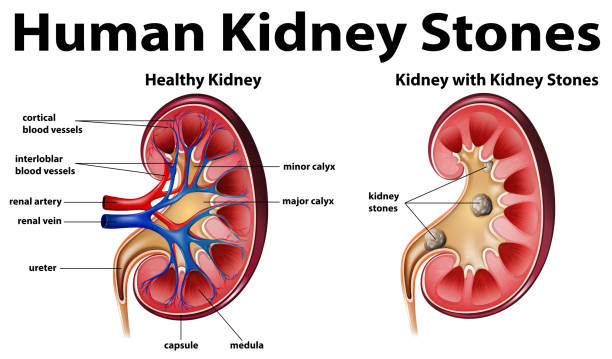
Kidney stones are nothing but hard mineral deposits. They consist typically of calcium oxalate, struvite, or uric acid. The smaller stones may pass through the urine without any symptoms. But larger stones may cause obstruction in the urinary tract, causing extreme renal pain.

What are the Causes for Kidney Stones?

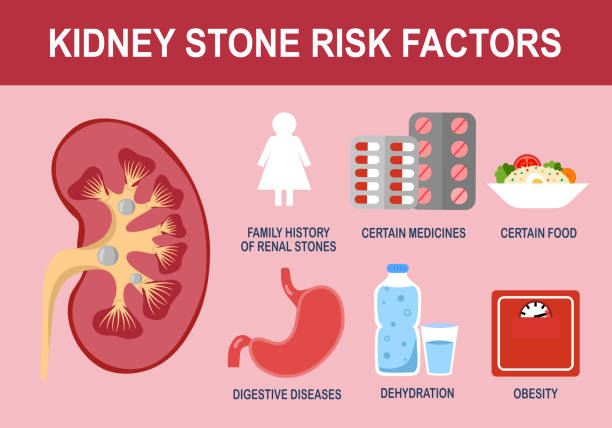
Stone formation (nephrolithiasis) can be brought about by several lifestyle and health-related factors:

  • Dehydration: Low water intake causes concentrated urine.
  • Poor Diet: Intake of high salt, such as sodium, sugar, and animal proteins.
  • Foods having Oxalate: Spinach, beetroot, and nuts.
  • Genetics: Family history is a risk factor.
  • Low urine volume: Poor hydration habits.

What Are the Most Common Signals?

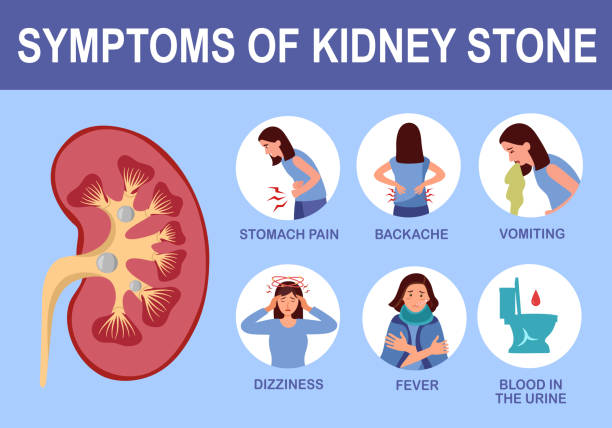
The signs of kidney stones can depend on the size and location. Common signs include:

  • Acute pain in the Lower back or flank.
  • Dysuria or pain on urination.
  • Hematuria or blood in the urine, pink or red color
  • Frequent urination.
  • Vomiting and nausea.
  • Waving pain.

What Are the 4 Methods for Kidney Stone Removal?

To choose the best plan, urologists consider the area, sort, and measurement of a stone. The following are the 4 methods of kidney stone removal in cutting-edge urology:

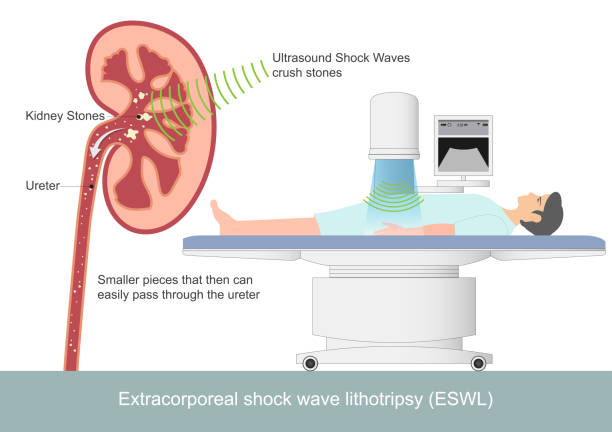
1. Shock Wave Lithotripsy

This is a non-invasive treatment. It involves the use of sound waves that are of high energy to break stones into smaller pieces.

These fragments naturally enter through the ureter. The process is not associated with cuts and stitches. It is usually done as an outpatient treatment.

  • Apt for: Small to medium-sized kidney stones.
  • Perks: Rapid recovery, non-surgical, less pain.

2. Ureteroscopy

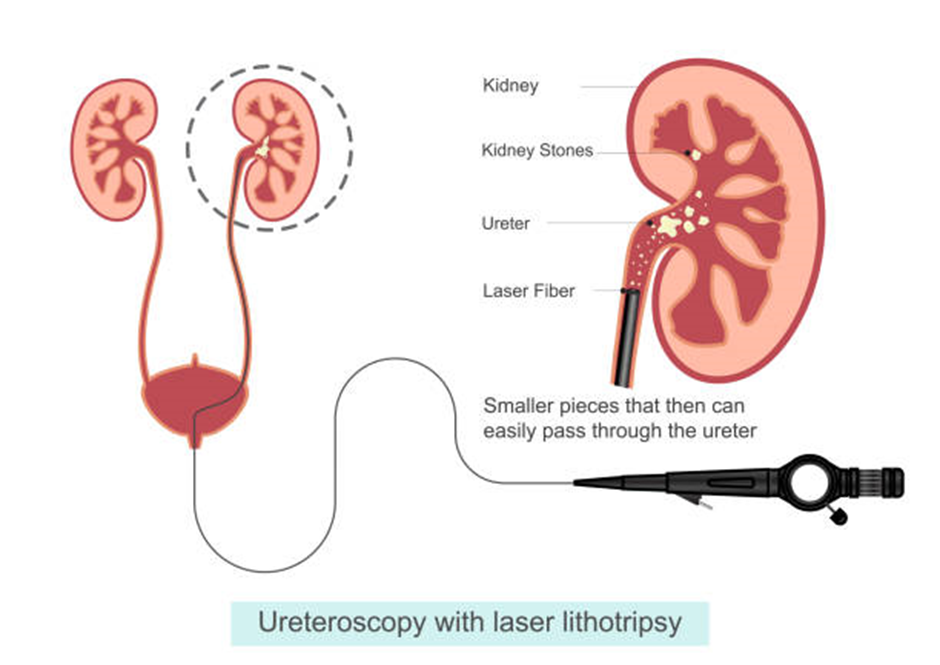
This is a minimally invasive procedure. A fine instrument (ureteroscope) is inserted through the urinary tract to reach the stone.

A holmium laser is used by the doctor to break the stone or extract it directly with a “basket.” No external incision is needed.

  • Best for: Stones in the ureter or lower urinary tract.
  • Perks: Higher success ratio, instant removal.

3. Percutaneous Nephrolithotomy

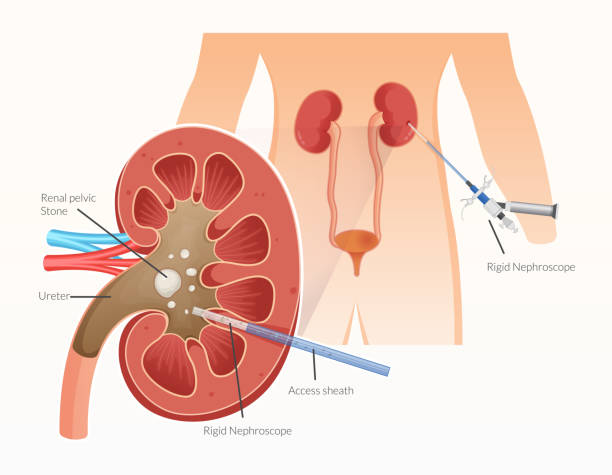
PCNL is applied to large or complicated kidney stones, like staghorn calculi. It entails a minor cut in the back.

Doctors directly place the instruments inside the kidney to break and extract stones with the help of ultrasonic or laser energy.

  • Best for: Large stones (more than 2 cm).
  • Advantages: Complete stone removal, effective in one session.

4. Retrograde Intrarenal Surgery

RIRS is a high-tech laser-based technique. A flexible scope reaches profound locations of the kidney (renal pelvis).

The laser breaks the stone into fine dust. The fragments are excreted through urine naturally.

  • Best for: Kidney stones that are difficult to reach.
  • Perks: No surgical cut, accurate treatment, and quick recovery.

How Are the Right Kidney Stone Treatments Selected?

The decision to select the appropriate treatment is based on various factors:

  • Stone size and density (Hounsfield units)
  • Stone location in the kidney or the ureter
  • Type of stone, such as calcium, uric acid, etc.
  • Health and medical history of the patient.

Diagnostic imaging, such as a CT KUB (CT scan of Kidneys, Ureter, and Bladder) or ultrasound, may be recommended by a doctor. Such tests help to define which of the 4 methods for kidney stone removal is the best.

When you are considering some advanced treatment like Laser Kidney Stone Treatment, you should consult thoroughly. It will help in deciding what form of laser-based procedure to undergo for your condition, like RIRS or URS.

How to Prevent Renal Stones?

For long-term Kidney health, prevention is important. You can apply these simple tricks:

  • 2-3 litres of water intake per day is mandatory.
  • Avoid processed foods and salt.
  • Avoid items that contain oxalate.
  • Follow a healthy diet chart.
  • Have timely health examinations.

Conclusion

Kidney stones may be painful, but these may be cured. With contemporary laser kidney stone treatments, you can easily and securely remove the stones. Being aware of the 4 ways of getting rid of kidney stones will assist you in choosing the right type of treatment with no fear.

Do not disregard signals such as extreme pain or blood in the pee. Early determination will anticipate extreme issues and protect the well-being of your kidneys. If you are suffering from kidney stone pain, visit Dr. S. Bhargava Reddy today to get the best kidney stone treatment in Hyderabad and receive professional urological care.