One of the most painful medical conditions is renal stones. The severe pain normally starts suddenly and can disrupt normal life. Unless a stone passes naturally, it can lead to serious complications, including urinary tract infection, kidney obstruction or hydronephrosis, or swelling.
Today, safe and effective therapies of kidney stones exist. Renal calculi can be removed without any extensive surgery with professional treatment. This blog describes the 4 methods for kidney stone removal in an easy-to-understand manner.
What are Kidney Stones?
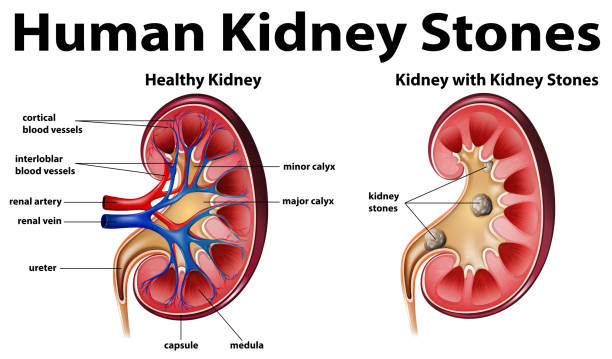
Kidney stones are nothing but hard mineral deposits. They consist typically of calcium oxalate, struvite, or uric acid. The smaller stones may pass through the urine without any symptoms. But larger stones may cause obstruction in the urinary tract, causing extreme renal pain.
What are the Causes for Kidney Stones?
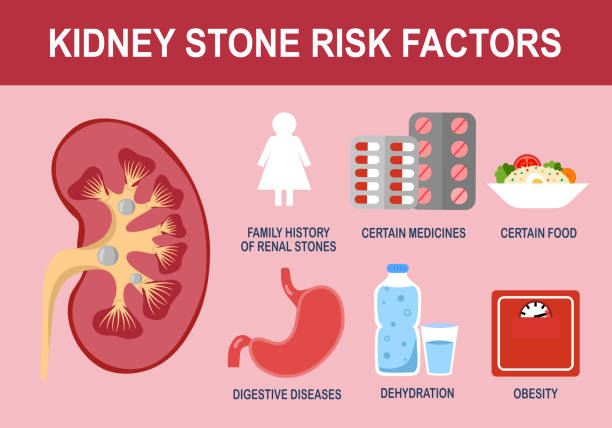
Stone formation (nephrolithiasis) can be brought about by several lifestyle and health-related factors:
- Dehydration: Low water intake causes concentrated urine.
- Poor Diet: Intake of high salt, such as sodium, sugar, and animal proteins.
- Foods having Oxalate: Spinach, beetroot, and nuts.
- Genetics: Family history is a risk factor.
- Low urine volume: Poor hydration habits.
What Are the Most Common Signals?
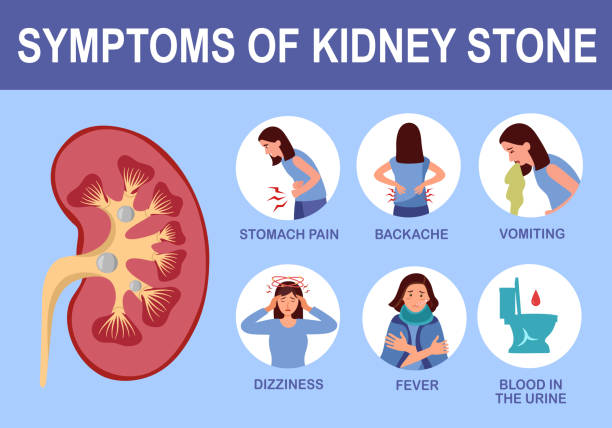
The signs of kidney stones can depend on the size and location. Common signs include:
- Acute pain in the Lower back or flank.
- Dysuria or pain on urination.
- Hematuria or blood in the urine, pink or red color
- Frequent urination.
- Vomiting and nausea.
- Waving pain.
What Are the 4 Methods for Kidney Stone Removal?
To choose the best plan, urologists consider the area, sort, and measurement of a stone. The following are the 4 methods of kidney stone removal in cutting-edge urology:
1. Shock Wave Lithotripsy
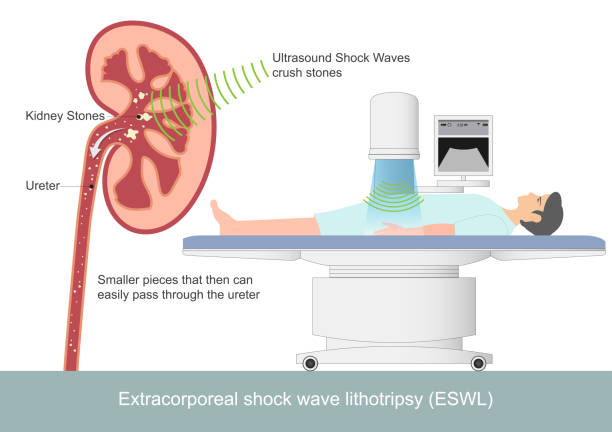
This is a non-invasive treatment. It involves the use of sound waves that are of high energy to break stones into smaller pieces.
These fragments naturally enter through the ureter. The process is not associated with cuts and stitches. It is usually done as an outpatient treatment.
- Apt for: Small to medium-sized kidney stones.
- Perks: Rapid recovery, non-surgical, less pain.
2. Ureteroscopy
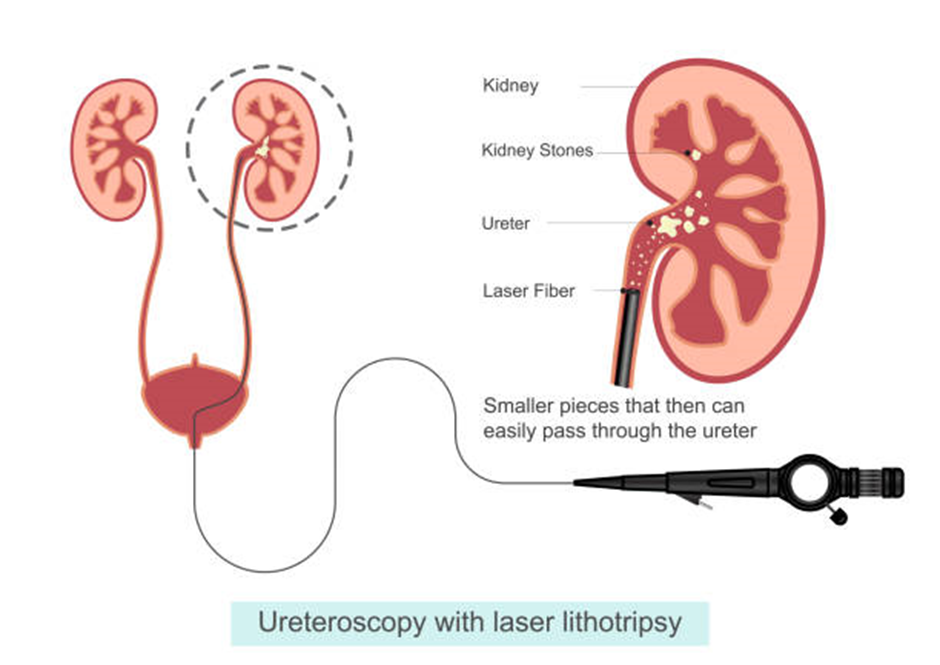
This is a minimally invasive procedure. A fine instrument (ureteroscope) is inserted through the urinary tract to reach the stone.
A holmium laser is used by the doctor to break the stone or extract it directly with a “basket.” No external incision is needed.
- Best for: Stones in the ureter or lower urinary tract.
- Perks: Higher success ratio, instant removal.
3. Percutaneous Nephrolithotomy
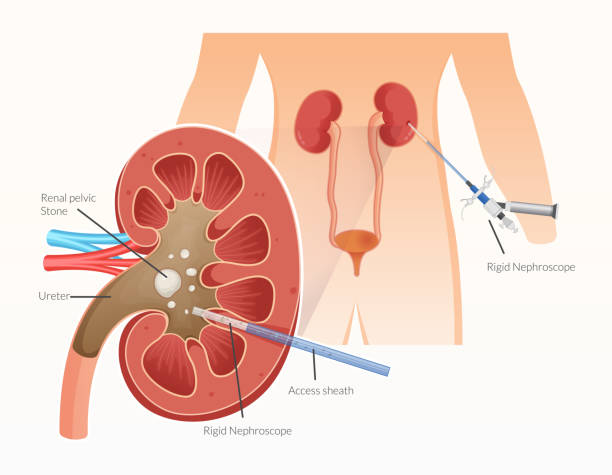
PCNL is applied to large or complicated kidney stones, like staghorn calculi. It entails a minor cut in the back.
Doctors directly place the instruments inside the kidney to break and extract stones with the help of ultrasonic or laser energy.
- Best for: Large stones (more than 2 cm).
- Advantages: Complete stone removal, effective in one session.
4. Retrograde Intrarenal Surgery
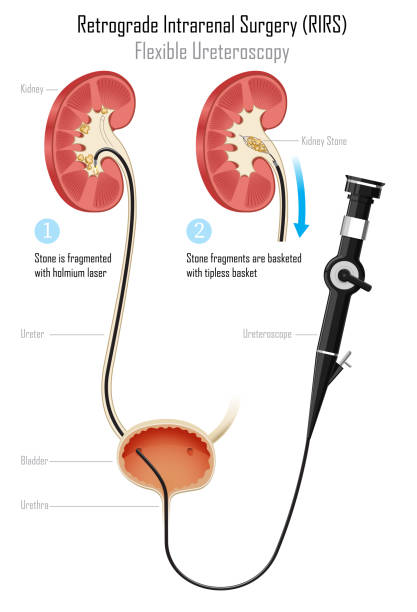
RIRS is a high-tech laser-based technique. A flexible scope reaches profound locations of the kidney (renal pelvis).
The laser breaks the stone into fine dust. The fragments are excreted through urine naturally.
- Best for: Kidney stones that are difficult to reach.
- Perks: No surgical cut, accurate treatment, and quick recovery.
How Are the Right Kidney Stone Treatments Selected?
The decision to select the appropriate treatment is based on various factors:
- Stone size and density (Hounsfield units)
- Stone location in the kidney or the ureter
- Type of stone, such as calcium, uric acid, etc.
- Health and medical history of the patient.
Diagnostic imaging, such as a CT KUB (CT scan of Kidneys, Ureter, and Bladder) or ultrasound, may be recommended by a doctor. Such tests help to define which of the 4 methods for kidney stone removal is the best.
When you are considering some advanced treatment like Laser Kidney Stone Treatment, you should consult thoroughly. It will help in deciding what form of laser-based procedure to undergo for your condition, like RIRS or URS.
How to Prevent Renal Stones?
For long-term Kidney health, prevention is important. You can apply these simple tricks:
- 2-3 litres of water intake per day is mandatory.
- Avoid processed foods and salt.
- Avoid items that contain oxalate.
- Follow a healthy diet chart.
- Have timely health examinations.
Conclusion
Kidney stones may be painful, but these may be cured. With contemporary laser kidney stone treatments, you can easily and securely remove the stones. Being aware of the 4 ways of getting rid of kidney stones will assist you in choosing the right type of treatment with no fear.
Do not disregard signals such as extreme pain or blood in the pee. Early determination will anticipate extreme issues and protect the well-being of your kidneys. If you are suffering from kidney stone pain, visit Dr. S. Bhargava Reddy today to get the best kidney stone treatment in Hyderabad and receive professional urological care.